Biology
The secret of spider silk
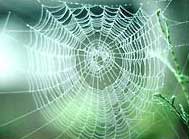
French scientists have learned about the natural properties of spider silk fibers, especially in terms of strength and torsion. They studied why a spider clinging to a t…
Browse ScienceInfo articles and explainers related to Spider Silk.
61 published items.
French scientists have learned about the natural properties of spider silk fibers, especially in terms of strength and torsion. They studied why a spider clinging to a t…
With only 4 minutes, you will be watching
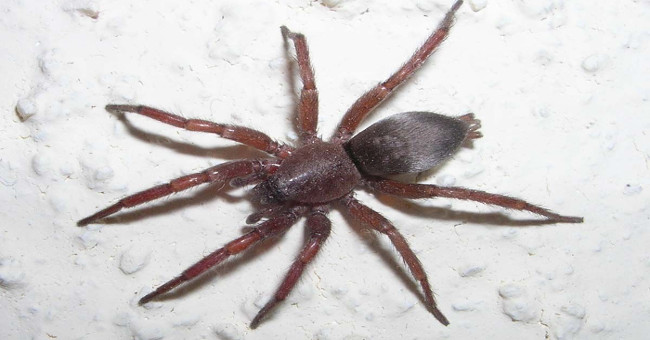
Without waiting for the trap to fall, Gnaphosid spiders choose a direct projectile to control the target.
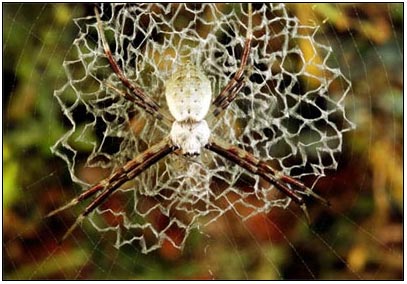
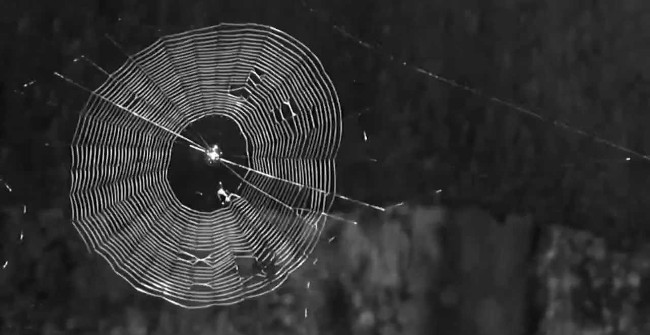
The cross shape, zigzag shape or twisted shape on the spider web has long been confusing to observers. New research on spiders Australia found that those seemingly usele…

Do you believe spiders can spread silk strips 25m long, like a bridge across a river? - This rough-looking spider species does so.

Visitors discovered a field covered with fine mesh created by thousands of small spiders in New Zealand.
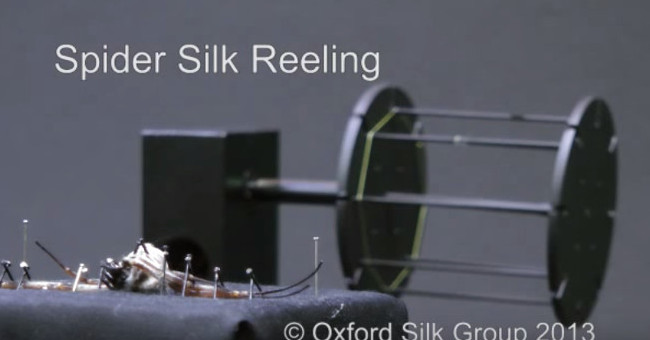
How to harvest spider silk? Definitely not able to take silk from the spider web ...
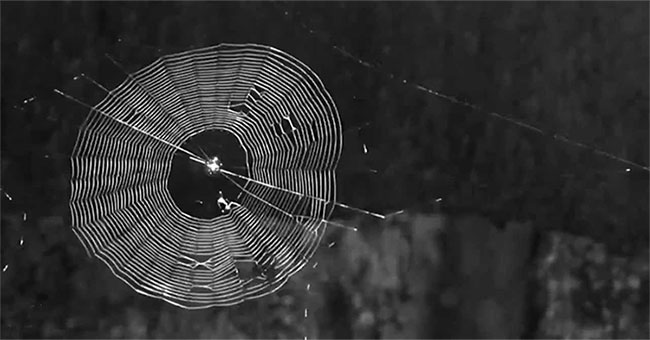
A new study has shown that from spider silk, one can develop a method to help get vaccines straight to white blood cells in the body.
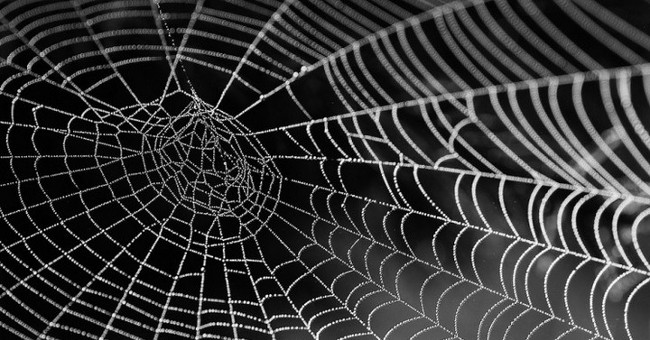
University biologists. Connecticut, USA has successfully developed a new method, using proteins from spider silk to make biodegradable binders.
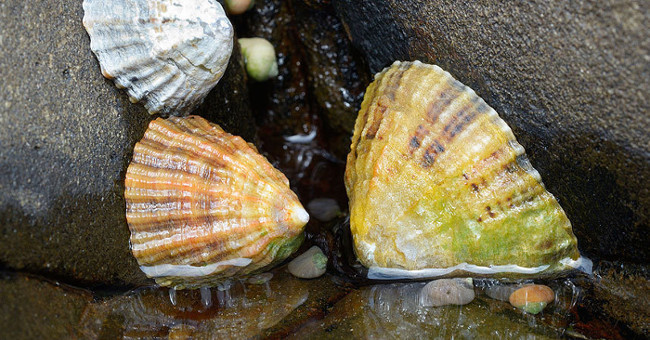
Spider silk has long been considered the strongest natural material. However, the new champion was discovered, that is the sea snail and its teeth.
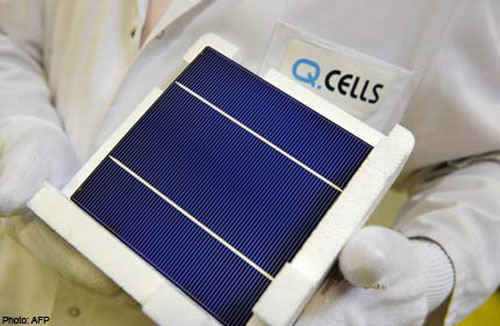
Austrian and Japanese experts have just announced a new invention: photovoltaic cells are thinner than spider silk and tough enough to bend around a human hair.
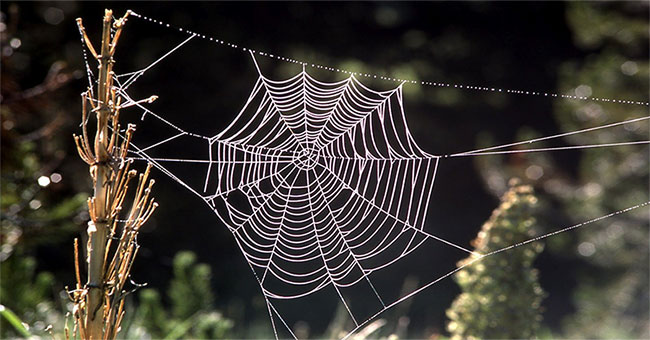
This work was done by a team at Washington University (Saint Louis, Missouri, USA) using bacteria to synthesize spider silk proteins.

American chemists from the Air Force Research Laboratory and Purdue University reported their new military invention. It was a bulletproof vest based on spider silk.

Spider silk is stronger than steel and harder than Kevlar, but successfully building on a large scale in the laboratory is still an obsession for scientists for decades.